My research examines infrastructures at the margins — how infrastructures, through their design, funding, maintenance, and eventual decommissioning, come to exclude or embrace marginalized groups, and how those groups in turn shape the infrastructures around them. I am currently interested in large-scale scientific research facilities and their entanglement with host communities, building on prior work on transportation access for disabled communities.
My current project traces the decision-making history behind the Arecibo Observatory’s creation, funding, siting, and eventual collapse in 2020, situating that history within the geopolitics of US–Puerto Rico relations and center-periphery dynamics in Big Science. Read more on the Arecibo Observatory research page.
This builds on my first book, Hacking the Underground: Disability, Infrastructure, and London’s Public Transport System (University of Washington Press, 2023), which examined how wheelchair users navigate — and are excluded by — London’s transit system, and how their tactics and advocacy reshape the network in turn. Read more about the book.
I hold a PhD in Science & Technology Studies from University College London and a degree in Sociology from the Université de Nantes.
How I got here
I graduated in Sociology from the Université de Nantes (2012), with a semester abroad at Università di Roma Tre through Erasmus. My path into Science & Technology Studies started at the ESOCITE conference in Buenos Aires in 2010, where I encountered work on science, technology, and social inclusion in Latin America — and, around the same time, developed an interest in the social dimensions of videogame production and play, particularly gender representation and the discourse of “gaming addiction.” That interest shifted toward medicine and biotechnology, and I did empirical work on immigrants’ engagement with traditional Chinese and Western medicine.
I moved to London for my Master’s at the London Centre for the History of Science, Medicine and Technology (a UCL–Imperial partnership), where my dissertation — “How to get on (with) a bus: a pilot study of wheelchair users’ engagement with buses and research” — set the direction for the next decade of my work. I expanded that project into my doctoral research at UCL STS, submitted in March and defended in June 2017, examining how wheelchair users navigate and are excluded by London’s public transport system. That research became my book, Hacking the Underground (University of Washington Press, 2023).
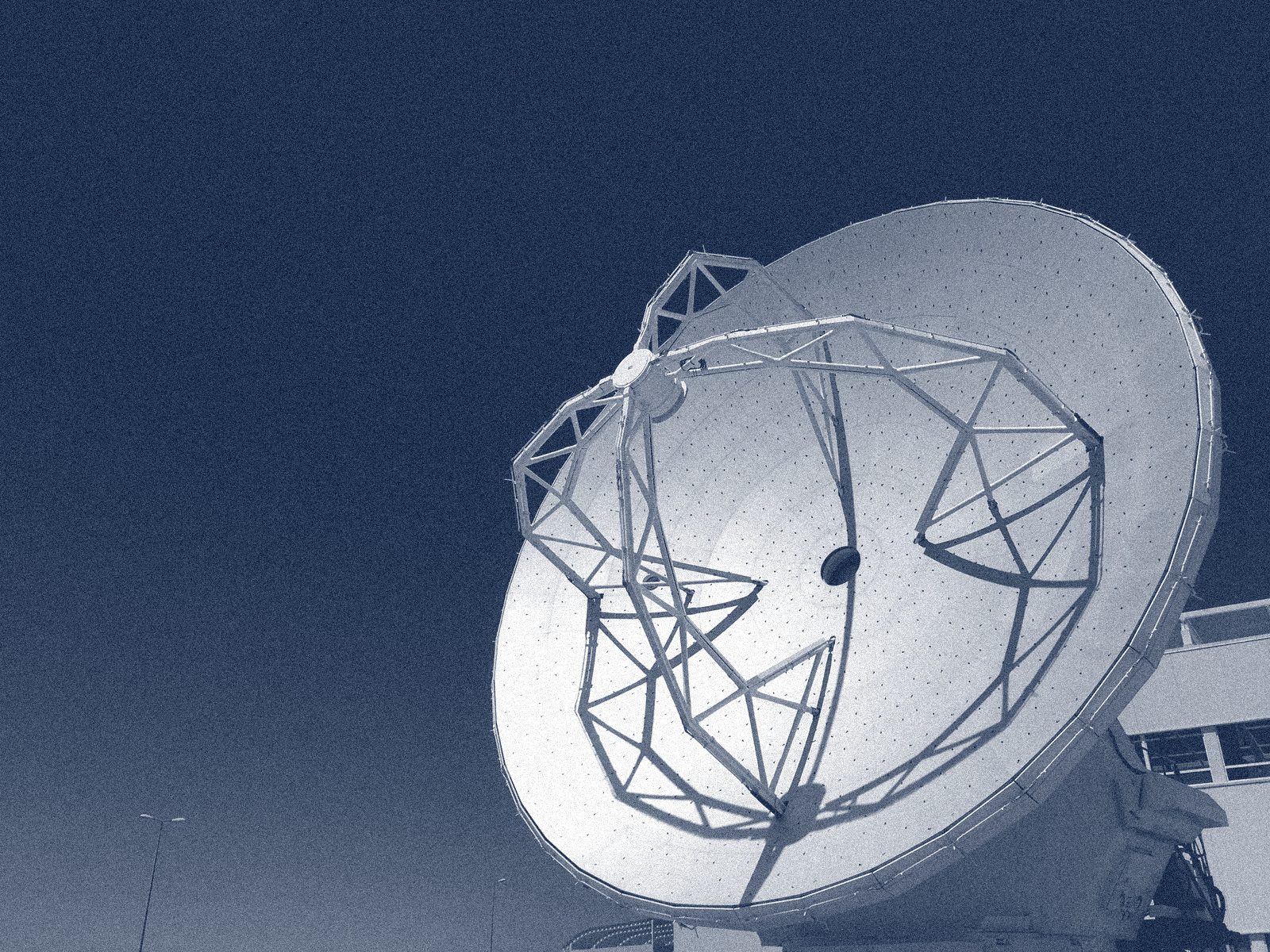
I joined the Science & Technology Studies department at Rensselaer Polytechnic Institute in 2017. A 2016 trip to San Pedro de Atacama — and a visit to the ALMA headquarters while I was there — sent me home to Dava Sobel’s The Glass Universe, and by the time I’d finished it I had the outline of a second project: the entanglement of astronomical observatories with the places that host them. Puerto Rico, and the Arecibo Observatory’s collapse in 2020, became the case.